




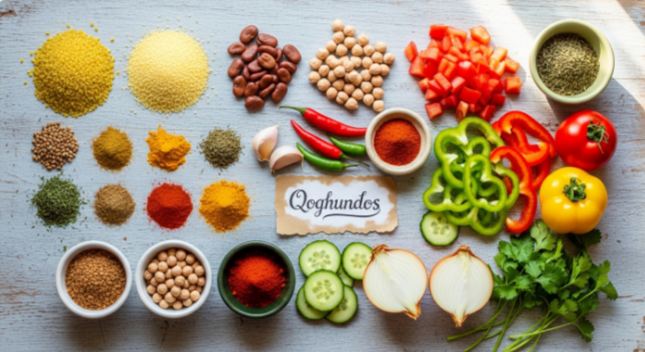
Unraveling the secrets of the ingredients in Qoghundos is the answer to unlocking a fascinating blend of culture, nutrition, and culinary experience. Whether you discovered Qoghundos in regional cuisine, in your online searches, or in your culinary explorations, this ultimate resource is here to walk you through all the information you want to know, from basic ingredients to preparation techniques, nutritional values, and modern interpretations.
This completely original and SEO-optimized piece of content goes in-depth into Qoghundos and provides more than 2,000 words of information.
What Is Qoghundos?
Qoghundos is often described as a traditional, hearty mixed dish prepared with a balance of grains, vegetables, aromatic spices, and protein sources. While recipes can vary by region or family tradition, the essence of Qoghundos lies in:
-
Layered flavors
-
Slow cooking or careful blending
-
Nutritional completeness
-
Cultural symbolism
Because of these qualities, Qoghundos is commonly associated with comfort food, seasonal gatherings, or celebratory meals.
Core Ingredients in Qoghundos
To truly understand the ingredients in Qoghundos, we must break them into functional categories.
1. Base Grains or Carbohydrate Foundation
Most Qoghundos recipes begin with a grain or starch base, which provides structure and energy.
Common options include:
-
Whole wheat grains
-
Rice or broken rice
-
Barley
-
Millet or sorghum in rural variations
Why grains matter:
-
Provide complex carbohydrates
-
Add fiber for digestion
-
Create the thick, satisfying texture Qoghundos is known for
In some modern interpretations, quinoa or oats may replace traditional grains for added protein.
2. Protein Components
Protein is essential in balancing the nutritional profile of Qoghundos.
Typical protein sources:
-
Lentils (red, yellow, or brown)
-
Chickpeas
-
Split peas
-
Occasionally shredded meat or slow-cooked poultry
-
Yogurt or fermented dairy in certain regional styles
Nutritional impact:
-
Supports muscle repair
-
Enhances satiety
-
Stabilizes blood sugar levels
Vegetarian Qoghundos remains highly nutritious because legumes provide complete amino acid combinations when paired with grains.
3. Vegetables and Plant Additions
Vegetables define the color, aroma, and micronutrient richness of Qoghundos.
Common vegetables:
-
Onions (for sweetness and depth)
-
Garlic (for aroma and immunity support)
-
Tomatoes (for acidity and richness)
-
Spinach or leafy greens
-
Carrots or root vegetables
-
Pumpkin or squash in seasonal versions
These ingredients contribute:
-
Vitamins A, C, and K
-
Minerals like potassium and iron
-
Natural sweetness and texture balance
4. Signature Spices and Aromatics
Spices are what transform basic grains and vegetables into true Qoghundos flavor.
Typical spice blend:
-
Turmeric
-
Cumin
-
Coriander
-
Black pepper
-
Chili powder or dried peppers
-
Cinnamon or cloves in festive recipes
Some households also add:
-
Cardamom
-
Bay leaves
-
Nutmeg
-
Smoked paprika in fusion styles
Purpose of spices:
-
Provide warmth and fragrance
-
Aid digestion and metabolism
-
Preserve traditional taste identity
5. Cooking Fats and Flavor Enhancers
Healthy fats elevate both taste and nutrition.
Common fats used in Qoghundos:
-
Clarified butter or ghee
-
Mustard oil
-
Olive oil in modern adaptations
-
Butter for finishing richness
Additional enhancers:
-
Salt (mineral or sea salt)
-
Lemon juice or tamarind for acidity
-
Fresh herbs like cilantro or parsley
These final touches create the signature comforting finish of the dish.
Nutritional Value of Ingredients in Qoghundos
One reason Qoghundos remains popular across generations is its balanced nutrition.
Macronutrient Balance
-
Carbohydrates: steady energy from grains
-
Protein: legumes or meat for strength
-
Healthy fats: improved absorption of vitamins
Micronutrient Highlights
Qoghundos ingredients provide:
-
Iron for blood health
-
Calcium from dairy additions
-
Antioxidants from spices and vegetables
-
Fiber for digestion
Because of this, Qoghundos is often considered a complete meal in a single bowl.
Traditional Preparation Method
Although ingredients vary, the classic cooking approach follows several key steps.
Step 1: Soaking and Cleaning
Grains and legumes are:
-
Washed thoroughly
-
Soaked to soften texture
-
Prepared for even cooking
Step 2: Base Cooking
The grains and legumes are:
-
Simmered slowly in water or broth
-
Cooked until tender but structured
Step 3: Spice Tempering
Separately:
-
Oil or ghee is heated
-
Onions, garlic, and spices are sautéed
-
Aromatics release fragrance
Step 4: Combining and Slow Cooking
All components are:
-
Mixed together
-
Simmered until thick and cohesive
-
Adjusted with salt, herbs, or acidity
This slow integration is what defines authentic Qoghundos.
Regional Variations of Qoghundos Ingredients
Different regions adapt Qoghundos based on climate, agriculture, and culture.
Mountain Regions
-
More barley or millet
-
Heavier use of butter or ghee
-
Root vegetables for warmth
Coastal Areas
-
Rice-based versions
-
Occasional seafood additions
-
Lighter spice blends
Urban Modern Kitchens
-
Quinoa or oats substitutions
-
Olive oil instead of ghee
-
Vegan-friendly dairy alternatives
These variations prove the flexibility of Qoghundos ingredients.
Health Benefits of Qoghundos Ingredients
1. Digestive Support
-
Fiber from grains and legumes
-
Anti-inflammatory spices
-
Fermented dairy in some recipes
2. Heart Health
-
Low saturated fat (in vegetarian versions)
-
Cholesterol-free legumes
-
Antioxidant spices like turmeric
3. Weight Management
Qoghundos can help with:
-
Long-lasting fullness
-
Balanced calorie intake
-
Reduced snacking urges
4. Immune Strength of ingredients in qoghundos
Garlic, turmeric, and vegetables provide:
-
Natural antimicrobial compounds
-
Vitamin-rich nourishment
-
Seasonal resilience
Modern Culinary Uses of Qoghundos
Today, chefs and home cooks reinvent Qoghundos in creative ways.
Popular contemporary ideas:
-
Qoghundos bowls with roasted vegetables
-
Stuffed wraps using thick Qoghundos filling
-
Baked casserole versions with cheese topping
-
Protein-boosted fitness meals
These adaptations maintain the core ingredients of Qoghundos while fitting modern lifestyles.
How to Choose High-Quality Ingredients in Qoghundos
For the best flavor and nutrition:
Grains of ingredients in qoghundos
-
Prefer whole, unpolished grains
-
Avoid overly processed mixes
Legumes
-
Choose clean, uniform lentils or beans
-
Soak properly to improve digestion
Spices of ingredients in qoghundos
-
Use fresh, aromatic powders or whole seeds
-
Store away from moisture and light
Oils and Fats
-
Select cold-pressed or pure ghee
-
Avoid fats
Ingredient quality directly affects the final taste of Qoghundos.
Common Mistakes When Preparing ingredients in qoghundos
Avoid these frequent issues:
-
Overcooking grains into mush
-
Under-seasoning spices
-
Skipping soaking steps
-
Adding too much oil or salt
Balanced technique ensures authentic texture and flavor.
Vegan and Gluten-Free Qoghundos Options
Qoghundos adapts easily to dietary needs.
Vegan Version of ingredients in qoghundos
-
vcReplace ghee with olive or coconut oil
-
Skip dairy toppings
-
Add extra legumes for protein
Gluten-Free Version
-
Use rice, millet, or quinoa instead of wheat or barley
These modifications preserve the essence of Qoghundos ingredients while expanding accessibility.
Cultural Significance of Qoghundos
Beyond nutrition, Qoghundos represents:
-
Family gatherings
-
Seasonal comfort
-
Shared community meals
-
Traditional knowledge passed through generations
Food historians often describe such dishes as culinary heritage containers, preserving memory through flavor.
Frequently Asked Questions About Ingredients in Qoghundos
Is Qoghundos always vegetarian?
No.
Some versions include meat or poultry, though vegetarian recipes are common.
Can I prepare Qoghundos quickly?
Yes, using:
-
Pressure cookers
-
Pre-soaked legumes
-
Quick-cooking grains
Are the ingredients expensive?
Usually not.
Qoghundos relies on affordable pantry staples, making it accessible.
Final Thoughts on Ingredients in Qoghundos
Exploring the ingredients in Qoghundos reveals far more than a simple recipe.
It showcases:
-
Nutritional balance
-
Cultural storytelling
-
Culinary adaptability
-
Comfort and sustainability
Right from the humble grains and lentils to the aromatic spices and healthy vegetables, each ingredient has its own significance. Whether it is made in the traditional way or in a creative, innovative fashion, Qoghundos is always a strong symbol of healthy, heritage-based cuisine.